In this article
A click funnel is a sequence of web pages that guides a visitor step by step toward a single action, usually a purchase. Each page has one job: get the visitor to click through to the next one. The term also gets confused with ClickFunnels, the funnel software by Russell Brunson. Most solo creators searching the phrase want the concept, not the $97 per month product.
This article covers both, in that order.
What a click funnel actually is
A click funnel is a linear path of pages where each step is designed to earn one click to the next step, ending in a purchase or signup. It is a concept, not a product. Brands like ClickFunnels, Kajabi, and Systeme.io sell software to build one, but a basic click funnel runs fine on a Carrd landing page, a ConvertKit email sequence, and a Stripe checkout link.
The “click” in click funnel matters. It refers to the specific action that moves someone forward. A visitor clicks an ad, lands on a page, clicks a button to opt in, clicks a link in an email, clicks through to a sales page, and clicks “buy.” Every click is a decision. Every decision is a place where the visitor can leave.
That is why funnels are measured in drop-off rates. The top of the funnel holds everyone who arrived. The bottom holds the people who bought. The gap in between is the entire field of funnel work.
A useful way to picture it is a row of doors. The door at the top is open to everyone. Each door after that opens only for the people who made the previous decision. By the last door, you have the buyers. The more friction at any door, the fewer people walk through. Funnel optimization is the work of finding which doors are stuck.
How a click funnel flows stage by stage
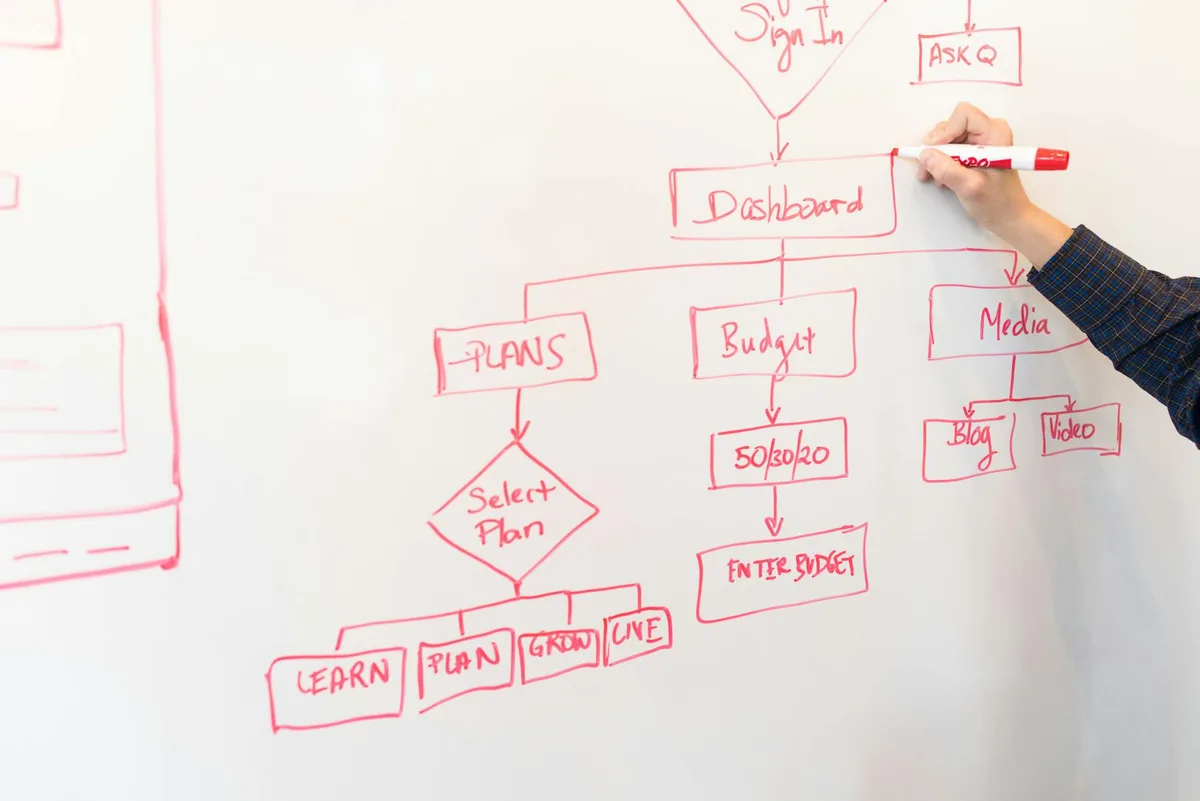
Most creator funnels follow the same five stages, regardless of what tools they run on.
Stage 1: Entry. A visitor arrives from an ad, a search result, a social post, a newsletter link, a podcast mention, or a referral. This is the top of the funnel. The click here is the click that brought them in.
Stage 2: Capture. The landing page asks for an email in exchange for something valuable: a free PDF, a checklist, a mini course, a webinar seat. If the visitor gives the email, they move forward. If not, they leave.
Stage 3: Nurture. Once the email is captured, an automated sequence delivers value over days or weeks. The emails build trust, answer objections, and prepare the subscriber to consider the paid offer.
Stage 4: Convert. The sales page presents the offer. The subscriber reads, considers, and either buys or does not. The click at this stage is the “buy now” click.
Stage 5: Retain. After the purchase, onboarding emails, product access, and follow-up offers determine whether this customer comes back for a second purchase.
Each stage has its own conversion rate. Typical ranges for a healthy solo creator funnel are 15 to 30 percent from landing page visitor to email subscriber, 40 to 55 percent average open rate on nurture emails, 2 to 10 percent click-through to the sales page, and 1 to 5 percent sales page conversion from warm subscribers (per Mailchimp benchmarks, 2026 and Baymard Institute checkout research). Your numbers will vary, but the shape of the funnel is universal.
The art is not in having a funnel. Anyone with a landing page and an email list has one. The art is in finding which stage leaks the most and fixing that stage before touching the others. See the full stage-by-stage diagnostic in why is my funnel not converting.
When you actually need a formal click funnel
Not every solo creator needs to build a dedicated click funnel. The decision depends on what you sell and how people find you.
You probably need a structured click funnel if:
- You sell a paid product (course, coaching, software, digital download) at any price above free.
- You run paid ads and need a predictable path from click to purchase.
- Your audience is bigger than your revenue. Thousands of followers, dozens of subscribers, two sales a month. Classic “traffic but no conversion” gap.
- You run launches (webinars, limited enrollment, evergreen sales) and need the mechanics to support them.
You probably do not need a formal click funnel, yet, if:
- You have fewer than 300 monthly visitors. Fixing a funnel on thin traffic is premature. Grow the top first.
- You have never sold anything. Build the offer first. Offers precede funnels. See offerengine.my for offer design.
- You sell in-person or through DMs and the conversation closes the sale. Adding a funnel adds complexity without a matching gain.
The honest default for a solo creator with a first product and some audience is a minimum viable click funnel. One landing page. One email sequence. One sales page. One checkout link. That is enough to sell. You add complexity only when the data says a specific stage is the bottleneck.
Not sure if your funnel is the bottleneck? Run the 5-stage diagnostic in the Funnel Diagnostics hub. It walks you through each stage, names the likely causes, and points at the fix. Free. No pitch.
The common click funnel types for solo creators
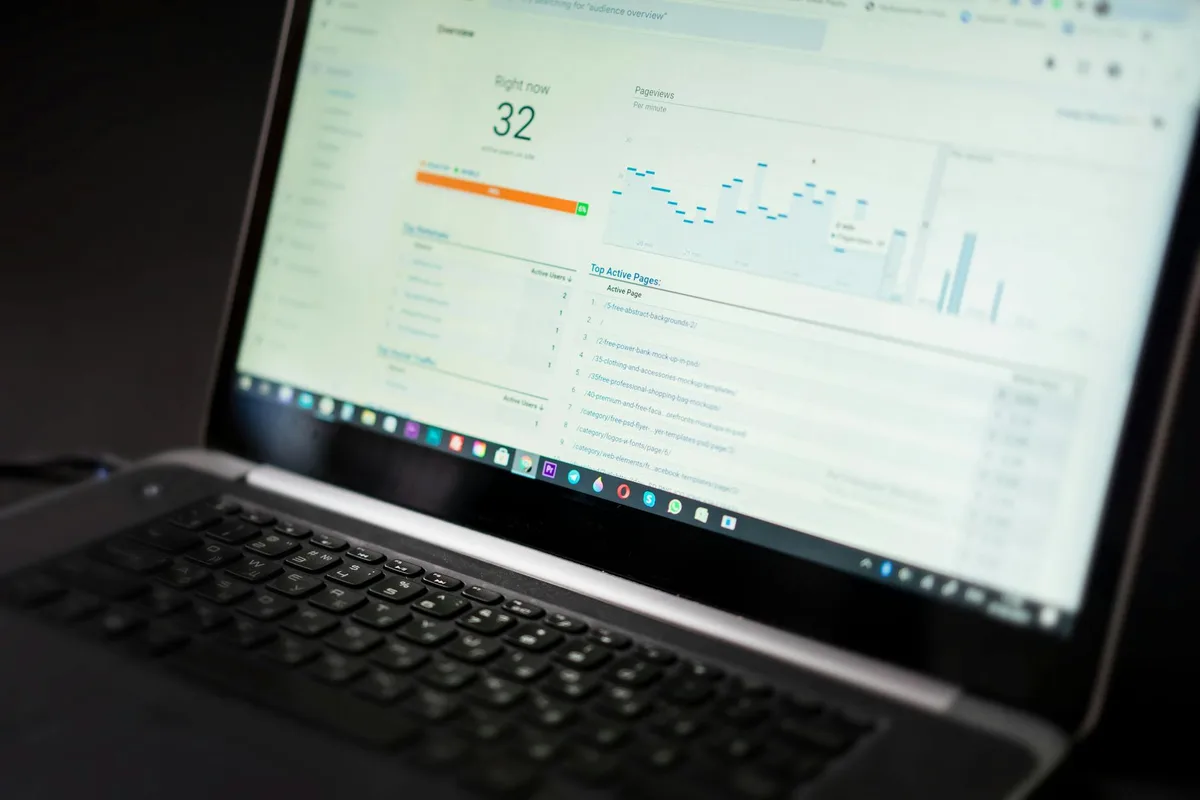
Once you decide you need a funnel, the next question is which shape. Four patterns cover most creator businesses.
Webinar funnel. Ad or newsletter sends traffic to a registration page. The attendee watches a free training (live or pre-recorded). At the end, the offer is presented with a limited-time incentive. Best for coaches, course creators, and anyone selling at $197 and up. Requires presentation skills and decent show-up rates.
Tripwire funnel. A low-priced offer ($7 to $27) is presented right after the email opt-in. Converting that cold lead into a paying customer immediately builds trust and filters buyers from freebie-seekers. Works well when the tripwire product solves a narrow, urgent problem.
Evergreen launch funnel. A structured sequence that mimics a launch but runs year-round. Subscribers enter the sequence individually, see a series of value emails and a deadline-driven offer, and the offer closes for them specifically. Strong for digital products in the $97 to $497 range.
Discovery call funnel. Traffic lands on a page that offers a free strategy call. The call becomes the sales conversation. Best for service providers, coaches, and any offer above $500 where a real conversation is needed to close.
Most solo creators start with a variation of the evergreen launch funnel because it runs without live presence and suits digital products. The tool stack to run one is light: email platform, landing page, sales page, checkout. You do not need ClickFunnels for any of these. See the Tools Stack hub for honest tool comparisons by stage.
What ClickFunnels the product actually is
Now the second meaning. ClickFunnels is a software company founded by Russell Brunson in 2014. It sells an all-in-one platform that bundles landing pages, email, checkout, membership sites, and funnel templates into a single dashboard. Starting price is around $97 per month on the entry plan. Higher tiers run $297 and $497 per month.
The pitch is speed. Build a full funnel in a day using drag-and-drop templates, and you never have to integrate separate tools. The tradeoff is cost, lock-in, and a feature set that is heavily biased toward high-ticket launches and aggressive marketing styles (see ClickFunnels official pricing, 2026).
Who ClickFunnels is actually for:
- Info marketers selling $997 and up products where the funnel drives real revenue per subscriber.
- Affiliates in the Brunson ecosystem who earn commissions promoting the platform.
- Teams and agencies managing funnels for clients where speed matters more than monthly cost.
Who ClickFunnels is not for, in our assessment:
- Solo creators selling $27 to $197 products where $97 per month is a meaningful chunk of revenue.
- Newsletter-first creators whose funnel is mostly email with a single checkout at the end.
- Anyone comfortable using ConvertKit plus Carrd plus Stripe, which does the same job for $20 to $40 per month combined.
The question is not whether ClickFunnels is good software. It is. The question is whether the all-in-one convenience is worth four to five times the cost of a modular stack for a business at your scale. For most solo creators the answer is no. For a cheaper path, see kajabi alternative when that piece publishes.
What to build instead as a solo creator
A minimum viable click funnel for a solo creator looks like this:
- Landing page. Carrd ($19 per year), a single Hugo page, or a simple Framer site. One clear headline, one clear offer, one form.
- Email platform. ConvertKit, MailerLite, Beehiiv, or Brevo. Handles capture, nurture, and broadcast.
- Sales page. Usually the same tool as the landing page, separate URL. Clear offer, clear price, clear buy button.
- Checkout. Stripe Checkout, LemonSqueezy, or Gumroad. Takes the payment, sends the receipt, triggers delivery.
- Post-purchase. A simple onboarding sequence in the email platform. Welcome, product access, first-win nudge, second-product mention.
Total cost, all-in: $20 to $40 per month. That stack runs courses, coaching, digital products, and most creator offers up to roughly $10K per month in revenue. Upgrade only when a specific limitation blocks the next step, not because a YouTube funnel guru said you needed ClickFunnels.
The rule: start thin, measure the leak, fix the leak, then decide if the tool is the constraint. Most of the time, the tool is not the constraint.

Frequently Asked Questions
Is a click funnel the same as ClickFunnels?
No. A click funnel is a generic concept for a multi-step page sequence that guides a visitor to a purchase. ClickFunnels is a specific software product from Russell Brunson that costs around $97 per month to build and host those sequences. You can run a click funnel without using the ClickFunnels product, and many solo creators do with tools like ConvertKit and Carrd.
How much does a click funnel cost to set up?
A minimum viable click funnel for a solo creator runs between $20 and $40 per month using modular tools (landing page, email platform, checkout). A ClickFunnels subscription starts at $97 per month on the entry plan. Kajabi, another bundled alternative, starts at $69 per month on its introductory plan. Most creators under $5K per month in revenue do not need the bundled platforms.
What is the difference between a click funnel and a sales funnel?
The terms overlap. Sales funnel is the broader marketing concept covering awareness, interest, decision, and action. Click funnel is a narrower term focused on the literal clicks between web pages in that sequence. In practice, creators use the terms interchangeably, but click funnel implies a specific online, page-by-page implementation rather than an abstract marketing model.
Do I need a click funnel if I only sell through DMs or in-person?
Probably not yet. Click funnels work best when traffic is predictable and the sale does not require a conversation. If every sale comes through a DM thread or a call, the conversation is your funnel. Add a structured click funnel when you want to scale past the limits of one-to-one conversations, which for most creators happens at 10 to 20 active conversations per week.
Can a click funnel work without paid ads?
Yes. Organic traffic works fine for click funnels if the volume is sufficient. SEO articles, YouTube videos, podcasts, newsletter growth, and referrals all feed the top of a click funnel. Paid ads just make the flow faster and more predictable. For solo creators with under 1,000 monthly visitors, organic channels are usually the better starting point because the traffic quality is higher and the cost is time instead of money.
Keep Reading
Images: Photo by Rodnae Productions, Tima Miroshnichenko, Vlada Karpovich on Pexels.
What to Do Next
Choose the path that fits where you are right now.
Get the Free Solo Funnel Diagnostic
Get the free Solo Funnel Diagnostic. 12 diagnostic questions. Scored in 10 minutes. Tells you exactly which stage is broken and what to fix first.
Send Me the Diagnostic